






Freight News, Logistics, Sea
Tilbury showcases hydrogen capabilities
[ April 30, 2026 // Chris Lewis ]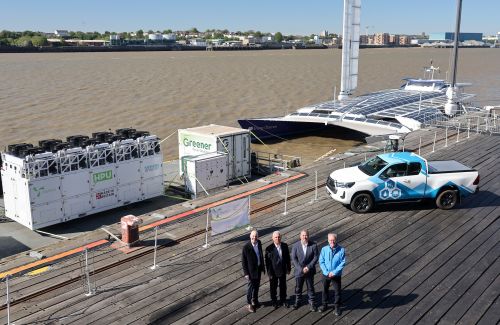
Port of Tilbury, GeoPura and Toyota hosted a hydrogen hub showcase event on 30 April to mark the arrival of Energy Observer, the world’s first self-sufficient, hydrogen-powered vessel and floating renewable energy laboratory.
The event brought together industry representatives, technology providers and policy makers to demonstrate practical hydrogen solutions.
Attendees saw hydrogen production, storage and dispensing technologies in action and explored how these can be adopted across projects, including those already underway at the Port of Tilbury and the Lower Thames Crossing.
It follows a recent agreement between GeoPura and Forth Ports – the owner and operator of the Port of Tilbury – to develop an on-site green hydrogen production facility. Tilbury will be the first UK port to support commercial-scale hydrogen for heavy industry and also builds on GeoPura’s landmark agreement to supply green hydrogen to the Lower Thames Crossing, representing the largest volume of hydrogen ever contracted for a UK construction project.
Tilbury’s head of engineering, David Housden, said: “The green hydrogen showcase hosted by the Port of Tilbury and our partners shows our collective ambition to deliver innovative low carbon solutions across the supply chain. At Forth Ports we have a strong track record of bringing market-leading solutions for our customers and now through the recent developments in green hydrogen with our on-site partner GeoPura we are moving at pace to integrate hydrogen powered vehicles and on-site power generation in Tilbury.”
GeoPura chief executive Andrew Cunningham, commented: ““Hydrogen has a critical role to play in how ports operate, from decarbonising dockside activity to enabling shore-to-ship power. It provides clean, reliable energy that strengthens operational resilience, protects air quality for local communities and creates skilled jobs – delivering long-term economic value across the region. Ports and maritime activity have very large energy requirements and will use the electricity grid network to fulfil these wherever possible. However, in many locations the public grid isn’t sufficient or flexible enough, and then hydrogen can help bridge the gap.”

Tags: Tilbury; Forth Ports